Creative Project Planning Guide
A practical step-by-step guide to creative project planning guide, including preparation, instructions, common issues, tips, and next steps.
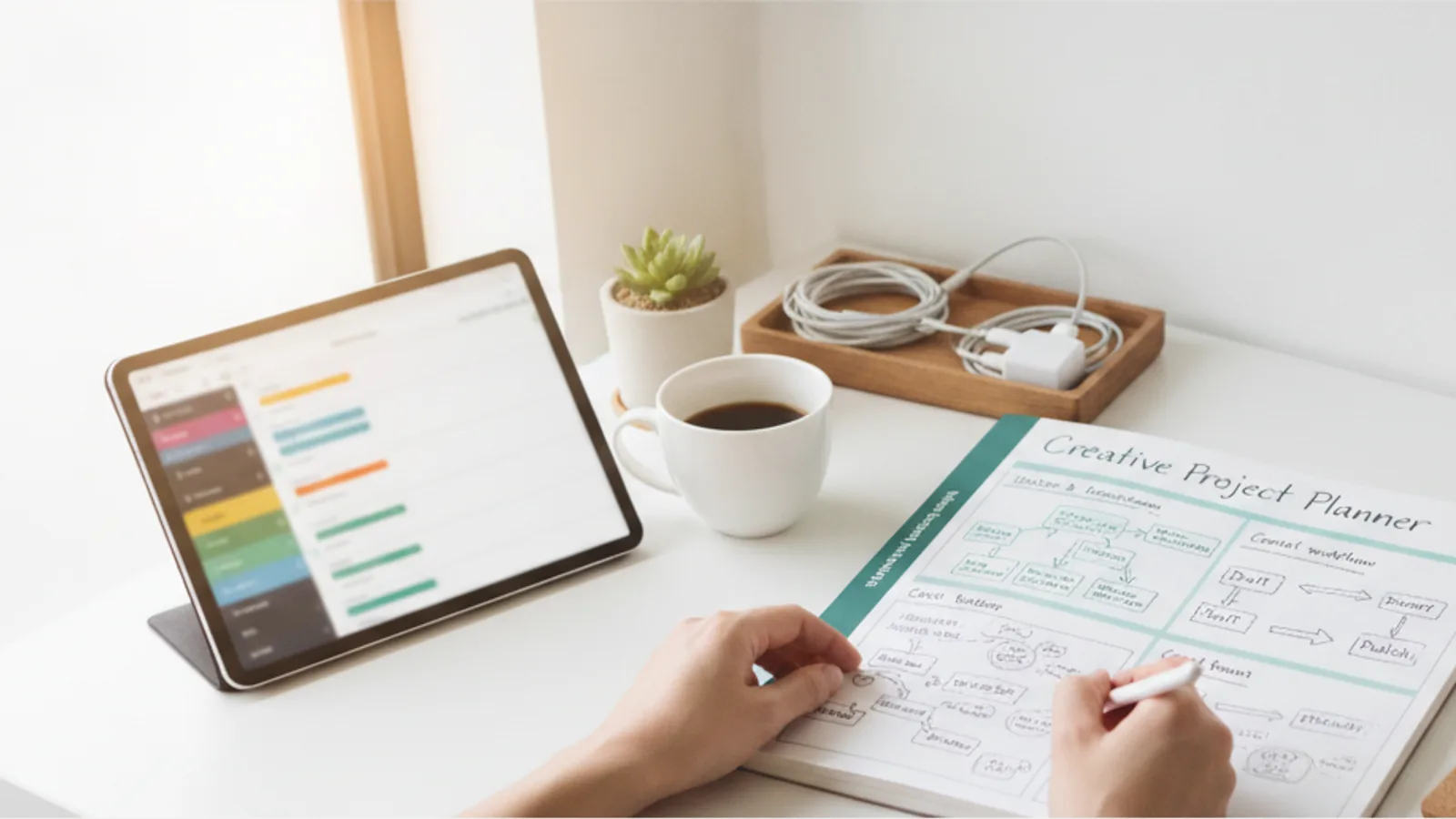
Creative Project Planning Guide
This guide explains how to approach creative project planning guide, including the preparation, practical steps, common mistakes, and final checks that help you finish with confidence.
Before You Start
Before you dive into planning, take a moment to gather your thoughts and ensure you have the right mindset and basic tools ready. Proper preparation here can save you significant time and frustration later on.
Step-by-Step Instructions
Quick Reference
Common Problems When You Plan Creative Projects
Even with a solid creative project planning guide, you might encounter some common challenges. Being aware of these can help you avoid or quickly address them.
Scope Creep
Problem: This is when a project starts to grow beyond its original agreed-upon goals and boundaries. You keep adding new features, ideas, or tasks that weren't part of the initial plan. This leads to longer timelines, increased costs, and often, a never-ending project.
Fix: Stick firmly to your initial goals and scope defined in Step 1. If a new idea comes up, put it in a "future ideas" list rather than adding it to the current project. If a change is absolutely necessary, formally adjust your plan, re-evaluate the timeline and resources, and communicate clearly with any stakeholders.
Over-optimistic Timelines
Problem: You estimate tasks will take much less time than they actually do. This is especially common in creative fields where inspiration and execution can be unpredictable. Over-optimism leads to rushing, burnout, and missed deadlines.
Fix: Be realistic with your time estimates. Always add a 20-30% buffer time to each task. If a task feels like it will take 1 hour, plan for 1 hour and 15 minutes. Learn from past projects: if something always takes longer than you expect, adjust your future estimates accordingly.
Lack of Clear Goals
Problem: You start working without a clear idea of what success looks like. This results in aimless work, frequent changes in direction, and a feeling of being lost, ultimately leading to a project that doesn't meet expectations or has no real impact.
Fix: Spend ample time on Step 1: Define Your Project Idea and Goals. Make your goals SMART (Specific, Measurable, Achievable, Relevant, Time-bound). Refer back to these goals regularly throughout the project to ensure your work remains aligned.
Poor Communication
Problem: If you're working with others, misunderstandings about roles, deadlines, or expectations can derail a project. Information might not be shared in time, leading to duplicated effort or critical details being missed.
Fix: Implement a clear communication plan as outlined in Step 6. Schedule regular check-ins, use a consistent communication channel (e.g., email, dedicated chat app), and document key decisions. Encourage an environment where team members feel comfortable asking questions.
Perfectionism Leading to Procrastination
Problem: The desire for a perfect outcome can paralyse you at the start, making it difficult to even begin. You might spend too long on a small detail, fearing the whole project won't be good enough, or constantly rework tasks, delaying progress.
Fix: Remember that a plan is a guide, not a rigid prison. Focus on progress over perfection in the initial stages. Set specific deadlines for each task and try to stick to them. Remind yourself that you can always refine and improve later. The goal is to complete the project, not just make a perfect start.
Advanced Tips for Creative Project Planning Guide
Once you're comfortable with the basics, these advanced strategies can help you manage more complex projects and optimise your workflow even further.
Utilise Project Management Tools
While a simple notebook works for smaller projects, larger or ongoing creative endeavours benefit from dedicated project management software. Tools (often free or low-cost options) can help you:
- Visualise workflows: Use Kanban boards to see tasks moving through "To Do," "In Progress," and "Done" columns.
- Track deadlines: Set and monitor due dates for individual tasks and milestones.
- Assign tasks: Clearly delegate responsibilities if working with a team.
- Store resources: Keep all project-related files, links, and notes in one central location.
Explore options that suit your specific needs, focusing on ease of use and features that genuinely simplify your planning.
Build in Buffer Time Generously
Beyond simply adding a 20-30% buffer to tasks, consider building in larger, dedicated buffer blocks throughout your project timeline. This could be half a day each week, or a full day before a major milestone. This time isn't for specific tasks but for unexpected issues, creative blocks, or just catching up. It acts as a safety net, making your deadlines more achievable and reducing last-minute stress.
Conduct Post-Project Reviews
After a project is complete, take time to review how it went. This is a crucial step for learning and improving future planning. Ask yourself:
- What went well?
- What could have been done better?
- Were my time estimates accurate?
- Were the goals met?
- What did I learn about my own creative process or team dynamics?
Document these insights. This feedback loop is invaluable for refining your creative project planning guide and becoming more efficient over time.
Batch Similar Tasks
When you're breaking down tasks, identify activities that are similar in nature and can be done together. For example, instead of designing a graphic, then writing a short piece of copy, then designing another graphic, try to complete all your graphic design tasks at once. Then, switch to all your writing tasks. This "batching" reduces context switching, helps you stay in a specific mode of thinking, and often leads to greater efficiency and focus.
Practice Deliberate Delegation
If you're part of a team or have resources available, don't try to do everything yourself. Identify tasks that can be delegated to others. This isn't just about offloading work; it's about leveraging the strengths of your team. Clearly communicate the task, the expected outcome, and the deadline. Delegating effectively frees up your time to focus on tasks where your unique creative input is most valuable.
Creative Project Planning Guide FAQ
What is a creative project plan?
A creative project plan is a detailed roadmap that outlines all the steps, goals, resources, and timelines needed to bring a creative idea from concept to completion. It helps organise your thoughts, tasks, and efforts to ensure a smooth and successful outcome.
Why is planning important for creative work?
Planning is crucial for creative work because it provides structure without stifling creativity. It helps you manage complex ideas, break them into manageable pieces, anticipate problems, stay on schedule, and ensure that your creative efforts lead to a tangible, high-quality result. It reduces stress and increases the likelihood of project success.
How detailed should my plan be?
The level of detail depends on the project's complexity and your personal preference. For a small, personal project, a simple outline might suffice. For a larger project with multiple collaborators or strict deadlines, a more detailed plan with specific tasks, timelines, and risk assessments is advisable. The key is to have enough detail to guide you without becoming overly rigid or time-consuming to create.
Can I change my plan once it's made?
Absolutely! A creative project plan is a living document. It's meant to be a guide, not a fixed set of rules. As you progress, you'll gain new insights, face unexpected challenges, or have new ideas. It's perfectly fine, and often necessary, to review and adjust your plan as needed. The important thing is to update it deliberately and communicate any major changes if others are involved.
What if I'm not good at planning?
Planning is a skill that improves with practice. Start small: plan a single, simple creative task using the basic steps. Don't aim for perfection immediately. Focus on clarity and getting your ideas down. Use simple tools like a notebook or a basic spreadsheet. Over time, you'll develop your own effective planning habits and find what works best for your creative process.
Final Checklist for Creative Project Planning Guide
Before you officially kick off your creative project, run through this quick checklist to ensure you've covered all the essential planning bases. A thorough check now can prevent headaches later.
Project Idea & Goals: Are they clearly defined and understood?
Tasks Broken Down: Is the project divided into small, manageable steps?
Task Sequence & Estimates: Are tasks in a logical order, and are time estimates realistic (with buffers)?
Resources Identified: Do you know what tools, materials, or help you'll need?
Risks & Solutions: Have you thought about what could go wrong and how to fix it?
Milestones & Timeline: Are key progress points and the overall deadline set?
Communication Plan: Is it clear how updates will be shared (if applicable)?
Plan Reviewed: Have you taken a final look at the plan with fresh eyes?
Motivation Confirmed: Do you feel ready and motivated to start the creative work?
With your creative project planning guide in hand, you're well-equipped to turn your ideas into reality. Remember, planning is an ongoing process, not a one-time event. Keep your guide handy, refer to it often, and adjust it as your project unfolds. Happy creating!